
Choosing the right handpan scale is one of the most important decisions when buying a handpan. The scale determines the notes available on your instrument, its musical character, and the type of melodies and moods you can create.
With hundreds of handpan scales available today, choosing one can feel overwhelming—especially if you are buying your first handpan.
The good news is that there is no single "best" handpan scale. The best scale is the one that inspires you to play.
In this guide, we'll explain what handpan scales are, how they differ, and what you should consider when choosing one.
What Is a Handpan Scale?
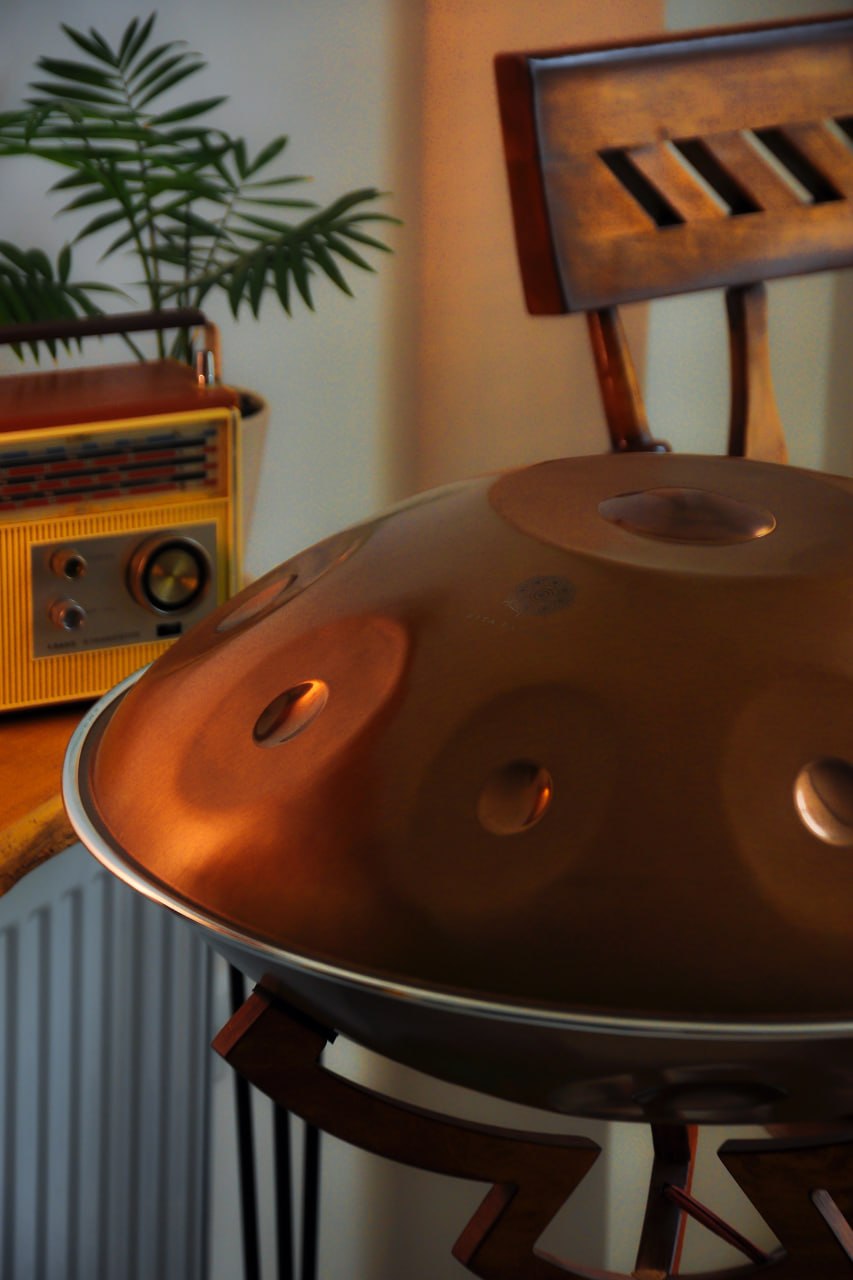
A handpan scale is a specific collection of musical notes arranged across the instrument.
The central note, commonly called the ding, establishes the tonal center of the handpan. The surrounding notes are selected and arranged to create a particular musical scale.
Because the notes belong to the same musical system, they are designed to work together harmonically. This is one of the reasons handpans are so approachable for beginners.
You can explore the notes intuitively and create musical phrases without constantly worrying about playing "wrong" notes.
Why Does the Scale Matter?
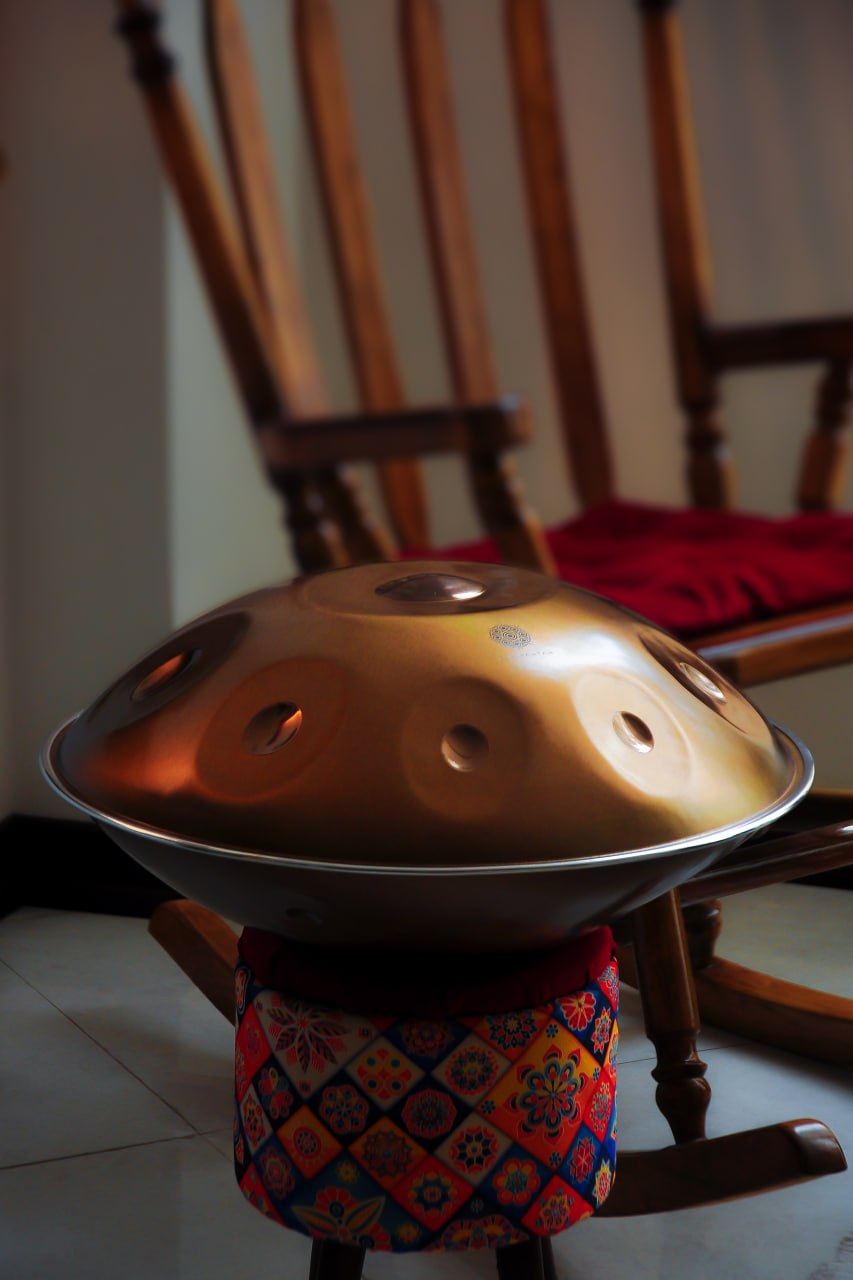
The scale has a major influence on the character of a handpan.
Two handpans may have the same number of notes and the same material but sound completely different because they use different scales.
Depending on the scale, a handpan may feel:
The scale also affects the melodies you can create and the relationships between the notes.
This is why we recommend listening to a scale before choosing a handpan whenever possible.
What Is the Best Handpan Scale for Beginners?
There is no universal best beginner handpan scale.
However, some scales are particularly popular with beginners because their notes are intuitive and their tonal relationships make it easy to create pleasant melodies.
Popular choices include scales such as:
A 9-note handpan in one of these familiar configurations can be an excellent starting point.
The most important thing is not choosing the scale that someone else says is "the best." Choose a scale whose sound immediately attracts you.
If you hear a particular scale and find yourself wanting to play along with it, that is a very good sign.
D Kurd: A Popular Choice
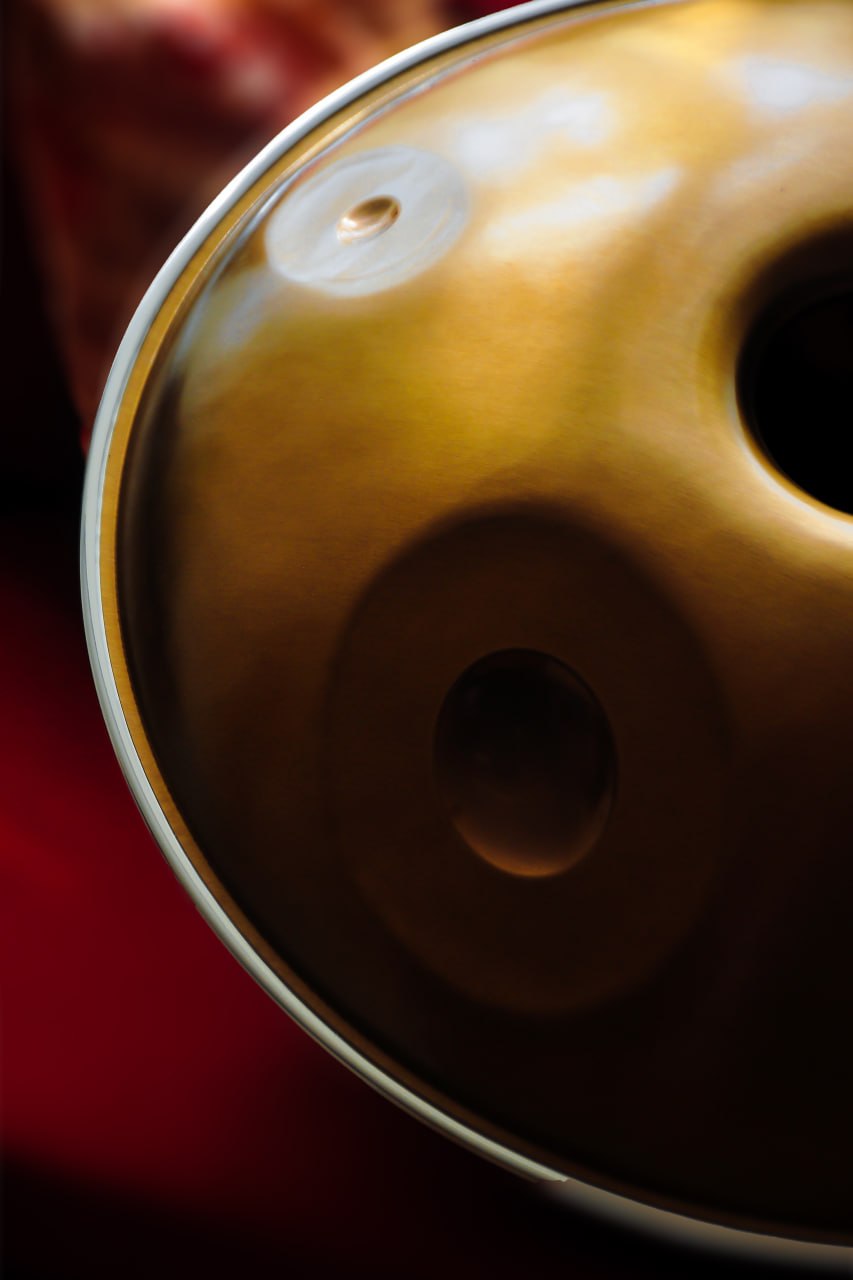
D Kurd is one of the most widely recognized handpan scales.
It has a warm, emotional, and versatile character and is often recommended to people buying their first handpan.
Its combination of notes makes it suitable for both gentle melodies and rhythmic playing.
Because D Kurd is so popular, there are also many tutorials, demonstrations, and learning resources available for players.
However, popularity does not necessarily mean it is the right scale for everyone.
If you prefer a brighter, darker, more exotic, or more unusual sound, another scale may suit you better.
Celtic Minor and Other Popular Scales
Celtic Minor is another popular choice among handpan players.
It can provide a warm, atmospheric, and emotional sound that works particularly well for improvisation and meditative playing.
Other scales such as Amara, Dorian, Pygmy, Aeolian, Hijaz, and Harmonic Minor offer their own distinct musical personalities.
When exploring scales, try to focus less on the names and more on how the notes actually sound together.
Major, Minor, and Other Scale Characteristics
You may encounter terms such as major, minor, Dorian, Phrygian, Aeolian, harmonic minor, and others when researching handpan scales.
These names describe different musical structures and relationships between the notes.
For example, major scales are often associated with brighter and more uplifting musical qualities, while minor-based scales are frequently perceived as warmer, deeper, or more emotional.
However, the emotional character of a handpan depends on much more than whether the scale is technically major or minor.
The specific notes, register, tuning, instrument design, and the way the instrument is played all contribute to its sound.
What Is the Center Note?
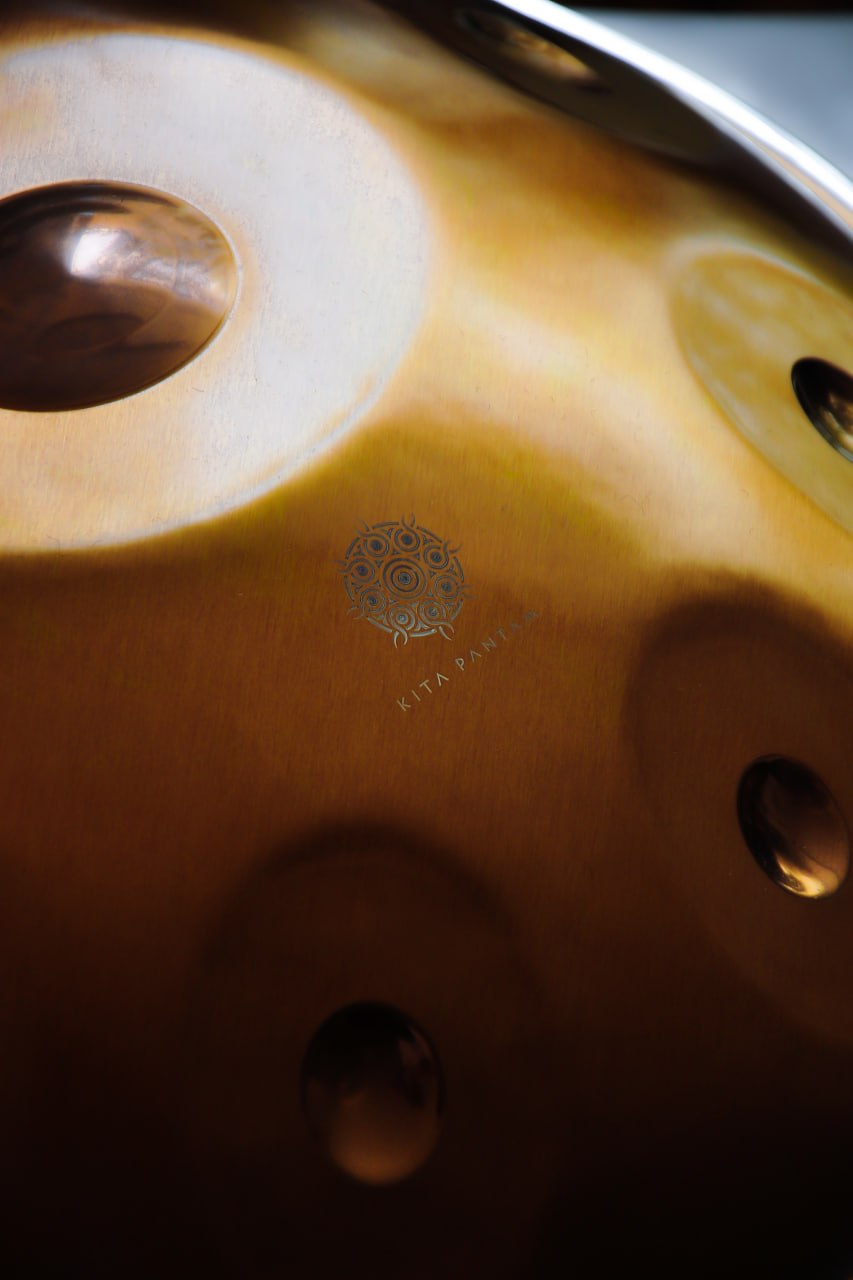
The center note, or ding, is one of the most important characteristics of a handpan.
Many handpans are centered around D, but other center notes are available.
At KitaPantam, our professional instruments can be built with center notes ranging from higher registers to much lower options, including C, C#, A2, and B2 configurations, depending on the instrument.
A lower center note can provide a deeper overall tonal range, while a higher center note can create a different musical character and register.
If you already play another instrument or regularly compose music in a particular key, choosing a suitable center note may also be important.
Should I Choose a 9-Note or Extended Handpan?
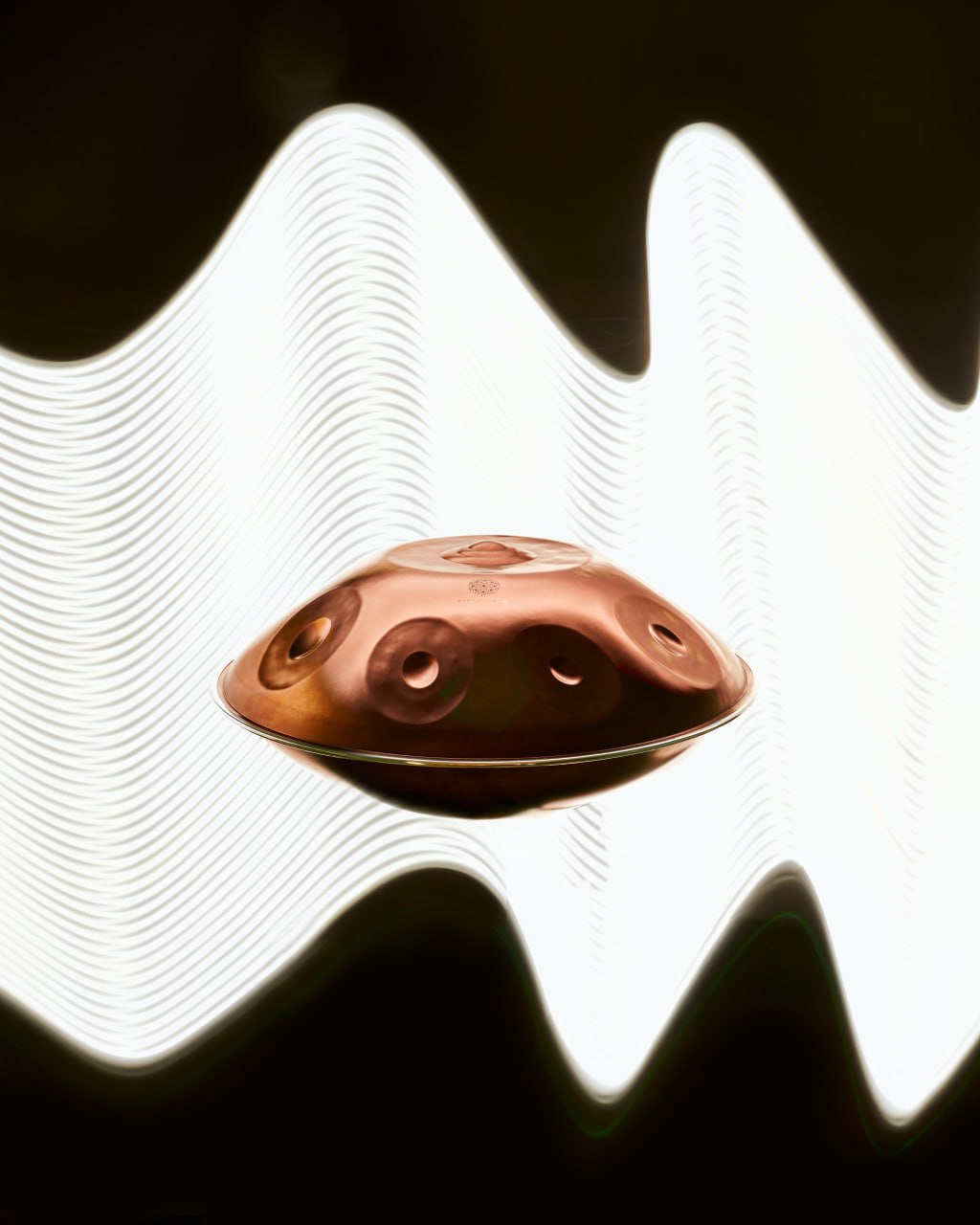
The number of notes is another important consideration.
9-Note Handpan
A 9-note handpan is often an excellent choice for beginners.
With fewer notes, the layout is simple, easy to understand, and comfortable for learning basic handpan techniques.
It can also be more affordable than larger Custom Handpans.
Extended Handpan
An extended handpan adds one or more additional notes to the standard layout.
This gives the player more melodic possibilities while keeping the familiar handpan playing experience.
Extended instruments can be a great choice for intermediate and advanced players who want additional musical freedom.
Mutant Handpan
Mutant handpans take the concept further by adding additional notes, often to the bottom shell.
This creates a larger tonal range and can provide significantly more possibilities for composition and improvisation.
KitaPantam professional instruments can be customized with extended and mutant configurations, with some instruments offering up to 23 notes.
Should I Choose a Low or High Handpan Scale?
The register of a handpan can significantly affect its sound.
Lower scales and center notes can produce deep, warm, resonant tones, while higher registers can sound brighter and more delicate.
Lower handpans can be particularly attractive to players who enjoy deep, atmospheric music.
However, lower instruments may also require different playing techniques and can have different physical and acoustic characteristics.
Think about the type of music you enjoy listening to and the role you want your handpan to play.
Can I Choose a Custom Handpan Scale?
Yes.
The KitaPantam professional line is designed to offer extensive customization.
Depending on the configuration, you can choose:
This makes it possible to create a handpan around your specific musical preferences rather than selecting only from standard configurations.
If you already know the notes you want or have a specific musical concept in mind, a custom handpan can be an excellent option.
What If I Don't Know Anything About Music Theory?
You don't need to understand music theory to choose a handpan scale.
In fact, many handpan players choose their first scale simply because they love the way it sounds.
Listen to demonstrations of different scales and notice your reaction.
Ask yourself:
Those questions are often more useful than trying to understand every technical detail of the scale.
You can learn the theory later as your playing develops.
How to Choose a Handpan Scale Based on Your Musical Style
Think about the type of music you want to create.
For Meditation and Relaxation
Look for scales with warm, spacious, and gentle characteristics.
Minor-based and atmospheric scales are often popular for meditation and relaxation.
For Emotional and Melodic Playing
Look for scales with strong melodic relationships and expressive intervals.
Scales such as D Kurd and Celtic Minor are popular choices for this type of playing.
For Rhythmic Playing
If you enjoy combining melody with strong rhythmic patterns, look for scales that provide comfortable note relationships and good separation between the notes.
For Composition
If you plan to compose more complex music, consider an extended handpan with additional notes.
Having a wider range can give you more freedom when developing melodies and musical ideas.
How Material Affects Your Choice
The scale is not the only factor that affects the sound of a handpan.
The material also plays an important role.
At KitaPantam, you can choose between Nitrided Steel and Stainless Steel.
Nitraded Steel Instruments and Stainless Steel can have different responses, sustain characteristics, and tonal personalities.
If you're deciding between materials, we recommend listening to recordings of the same or similar scales in both materials whenever possible.
This lets you hear the differences rather than relying only on technical descriptions.
Listen Before You Decide
The best way to choose a handpan scale is to listen.
Names can be confusing. Two scales may have similar names but produce very different musical experiences depending on their octave, center note, and note arrangement.
Spend time listening to demonstrations.
Listen with headphones if possible and imagine yourself actually playing the instrument.
The scale that keeps drawing you back is often the right one.
Use the KitaPantam Scale Advisor
Still not sure which handpan scale is right for you?
The KitaPantam Handpan Scale Advisor can help narrow down your choices based on your musical preferences, experience, and the type of sound you are looking for.
You can also explore our Handpan Scale Library to listen to different scales and compare their note layouts and characteristics.
For players looking for a more accessible instrument range, you can also explore Eclipse Handpans.
Frequently Asked Questions
What is the most popular handpan scale?
D Kurd is one of the most popular handpan scales, particularly among beginners. However, popularity doesn't mean it is the best choice for every player.
What is the best handpan scale for beginners?
There is no single best beginner scale. D Kurd, Celtic Minor, Amara, and other intuitive scales are popular starting points. Choose the one whose sound you enjoy most.
Can I choose my own handpan scale?
Yes. KitaPantam professional handpans can be customized with a wide range of scales and configurations.
How many notes should my handpan have?
A 9-note handpan is a simple and accessible choice for beginners. More experienced players may prefer extended or mutant instruments with additional notes.
Can a handpan have more than 9 notes?
Absolutely. KitaPantam professional handpans can be customized with extended and mutant configurations, with some instruments offering up to 23 notes.
Should I choose D Kurd?
D Kurd is an excellent and popular scale, but it isn't automatically the right choice for everyone. Listen to several scales before deciding.
Final Thoughts
Choosing a handpan scale is ultimately a personal decision.
The right scale is the one whose sound makes you want to pick up the instrument and play.
Don't worry about finding the "perfect" scale according to someone else's opinion. Explore different sounds, listen to demonstrations, think about your musical goals, and choose an instrument that inspires you.
Whether you're looking for your first 9-note handpan or a fully customized professional instrument, KitaPantam can help you find a scale and configuration that fits your musical journey.